Z1 Building, Rue de Bougainville, George Pompidou, PORT VILA
Mon - Friday: 8.00 am to 5.00 pm.

Breakthrough Research

Research Breakthrough Publications

Research Breakthrough Publications

Scientific advancements with practical applications for industry, policy, and community

Nutrition & Food Safety Research

Assessment of nutrition information on front of pack labels and healthiness of cereals products in Vanuatu retail markets

Relevance: Important for consumers, policymakers, and food manufacturers

Access: Download PDF

Health & Medicine Research

Evaluating the efficacy of new lice treatment shampoo containing Quassia Amara using Physical and tolerance approaches

Relevance: Important for healthcare providers, parents, and pharmaceutical manufacturers

Access: View on ResearchGate

Analytical Methods Research

A rapid method for Methanol quantification in spirits using UV-Visible spectroscopy and FTIR

Relevance: Important for beverage manufacturers, quality control labs, and regulatory agencies

Access: Download PDF from PeerJ

Kava Research

Improve quality control and moisture determination in Dry Kava (piper Methysticum) from Vanuatu: A practical oven Drying Approach

Relevance: Critical for kava farmers, exporters, quality control agencies, and traditional medicine practitioners

Access: View on CABI Digital Library

Geographical origin and cultivar differentiation of Kava (Piper methysticum) using Artificial Neural Network with FTIR Spectroscopy: A Novel Method

Authors: Ronick Spenly Shadrack, Daniel Tari, Hancy Tabi, Jacinta Botleng, Rolina Kelep, Ladyshia Regenvanu, Cassandra Tangaras, Mowa Pakoasongi, Edword Butjukabwaelep, Galana Siro, Atanas Pipite, Vincent Lebot

Relevance: Essential for kava farmers, exporters, authentication labs, and regulatory bodies for geographical indication protection

DOI: https://doi.org/10.1101/2025.10.05.679113

Access: View on bioRxiv

Information for Different Audiences

For Students & Teachers

These publications represent cutting-edge research in various fields. They can be used as educational resources and examples of applied scientific methods.

For Farmers & Manufacturers

The research on kava quality control and geographical origin provides practical tools for improving product quality and verifying authenticity.

For Policy Makers & Compliance Officers

These studies provide evidence-based approaches for developing regulations on food labeling, beverage safety, and traditional medicine quality standards.

This collection of research publications is maintained for educational and scientific purposes.

For inquiries about specific research, please contact the corresponding authors directly.

Last updated: Current Date

⚠️ Beware of fake websites pretending to be official. Always check the domain carefully as official Vanuatu Government sites end with .gov.vu.

Reception Process

Below is the step-by-step process for sample reception at VBS Laboratory, along with an overview of the key services we offer to support farmers and food producers.

VBS Laboratory Services Sample Reception Process

1. Receipt of Sample
2. Fill in Analysis Request Form (ARF) & label with description, client name, date
3. Sample Registration to Database
4. Identify Test Requested
5. Analysis of Sample
6. Prepare Invoice and send to client
7. Recording of Results
8. Reporting of Results
9. Payment of Analysis
10. Release of Test Result
11. Archiving of Results
12. Discard the Samples

Our Laboratory Services

1. Laboratory Testing

Food testing helps protect people’s health, build consumer trust, and ensure that the product’s quality is consistent. VBS Laboratory provides accurate testing services to support local farmers and exporters by using advanced scientific methods and equipment.

2. Product Development

We assist in the process of creating new products or improving existing ones to meet customer needs, export standards, or local market demands. VBS supports product development through thorough testing and informative feedback.

3. Metrology

VBS Laboratory provides metrology services such as calibration of instruments to ensure accurate and reliable measurements for all testing and quality control processes.

4. Inspection

VBS plays an important role in inspections at warehouses, as well as conformity assessments and product testing to ensure compliance with safety and quality standards.

Laboratory Machines

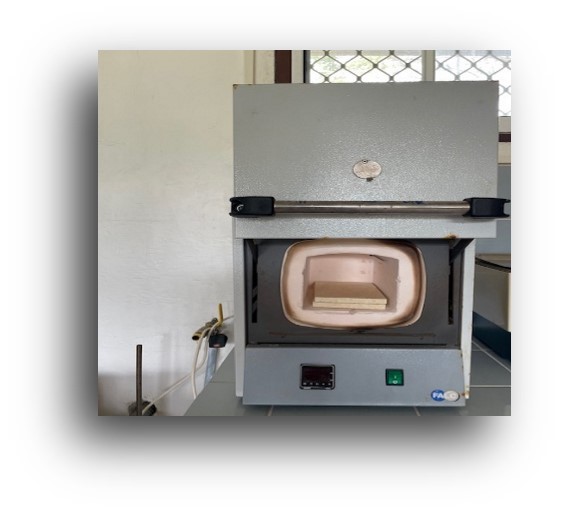
Muffle Furnace Muffle Furnace A high-temperature oven that provides precise heat. It's used for ash content determination in samples.
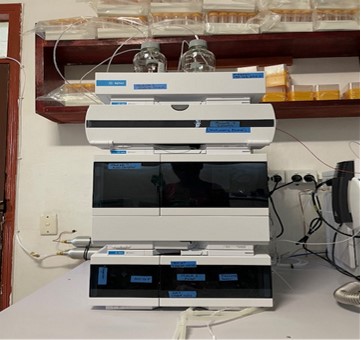
Ultra High-Performance Liquid Chromatography (UHPLC) Ultra High-Performance Liquid Chromatography Separates and identifies components in complex mixtures. It's essential for testing pesticides and contaminants in food.
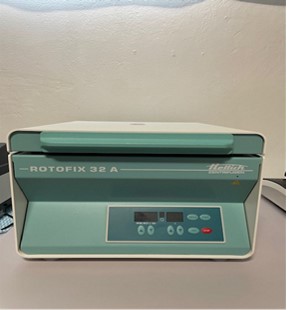
Centrifuge Centrifuge A machine that spins at high speed to separate particles from a liquid. This is used for kava powder in acetone, for example.
Fourier-transform Infrared (FTIR) Machine Fourier-transform Infrared (FTIR) Machine Identifies chemical substances by studying how they absorb infrared light.
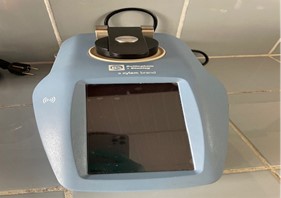
Refractometer Refractometer Measures the concentration of dissolved substances in a liquid, used for Brix and refractive index determination.
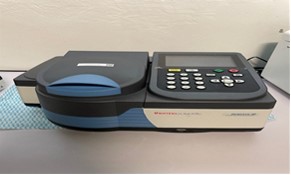
UV-spectrophotometer UV-spectrophotometer Checks the concentration and purity of samples by measuring how they absorb light.

Sample Handling

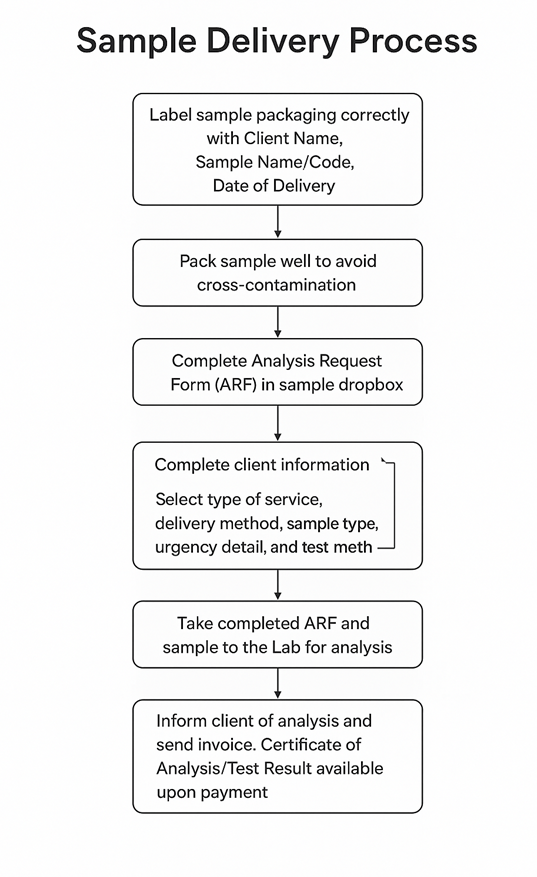
Sample Delivering Process

SAMPLE HANDLING

1. Sampling Protocol
Proper sampling is the critical first step in laboratory analysis, ensuring that the collected sample accurately represents the entire batch.

  • Representative Sampling: Ensure the sample represents the entire batch. Take the sample from a mixed portion of the product, not just the top layer, to avoid bias and ensure a true representation.
  • Optimal Sample Size: The sample size should be large enough to conduct all required tests but not so large that it wastes product. Generally, 100-500g is sufficient for most standard laboratory tests.
  • Sanitation: Use clean, sanitized utensils and tools when handling the sample to prevent contamination.

2. Handling and Transport

Proper handling during transport is essential to maintain the sample's integrity, ensuring the results of the analysis are accurate and reliable.

  • Temperature Control: If required, use temperature-controlled transport (e.g., refrigerated containers). Use a monitoring device to ensure the temperature remains within the safe range for the specific product.
  • Vehicle Cleanliness: Ensure that transport vehicles are sanitized to avoid cross-contamination between different samples.
  • Time-Sensitive Transport: Consider specific time limits for transporting perishable goods. Fresh and frozen food samples should be transported and tested as quickly as possible to prevent degradation and spoilage.

3. Storage Conditions

Correct storage conditions are vital for preserving the quality and integrity of the sample before analysis.

  • Temperature Control: Some food samples require specific temperature controls for storage, such as refrigeration or freezing, to prevent microbial growth and chemical changes.
  • Humidity: Certain products may require specific humidity levels to prevent spoilage or mold growth.
  • Cleanliness and Hygiene: Always store samples in a clean, dry, and hygienic environment to avoid any form of contamination from external factors.

Test Analysis

Common Types of Laboratory Testing and Analysis

Laboratory analysis plays a crucial role in ensuring the quality, safety, and compliance of various products. These tests are performed across different disciplines, including chemistry, biology, and food science.

1. Chemistry Analysis

Chemistry analysis focuses on determining the chemical composition and properties of a substance.

  • Kavalactone Nobility Test: This test measures the concentration of kavalactones in a kava powder solution using a color reagent. It's a key method for determining the "nobility" or quality of the kava.
  • Moisture Content Test: This analysis determines the amount of water present in a food or agricultural product. High moisture content can promote microbial growth and spoilage, directly impacting a product's shelf life.
  • Nutritional Information Panel (NIP) Test: This test is used to determine the complete nutrient composition of a food product. The results are used to create the Nutritional Information Panel found on food packaging, which provides essential dietary information for consumers.
  • Cocoa Analysis: This refers to a series of laboratory tests performed on cocoa beans to evaluate their quality, safety, and compliance with industry standards.
    • Purpose:
    • Ensure product quality and consistency
    • Prevent potential health risks from contaminants
  • Copra Analysis: This involves both laboratory analysis and physical inspection of copra (dried coconut meat) to assess its quality and suitability for oil extraction or consumption. The tests ensure that the copra meets industry and export market standards.
    • Purpose:
    • Assess oil yield and quality
    • Detect mold, spoilage, and other contamination
    • Ensure compliance with export regulations
    • Prevent economic loss due to spoilage
  • Virgin Coconut Oil (VCO) Analysis: This refers to analytical procedures conducted on VCO to determine its quality, purity, and safety in accordance with established standards.
    • Purpose:
    • Confirm the absence of contaminants
    • Verify nutritional content
    • Assess sensory attributes like flavor and aroma
    • Ensure compliance with regulatory and export requirements

2. Biological Analysis

Biological analysis focuses on detecting and quantifying microorganisms and their effects on products and the environment.

  • Microbial Testing: These tests are conducted to detect and quantify microorganisms that can affect food safety, quality, and shelf life. Common applications include:
    • Environmental Swabbing: Testing surfaces and equipment for microbial contamination.
    • Pathogen Screening: Specific tests for harmful bacteria such as Salmonella, E. coli, and Staphylococcus aureus.
    • Sewage Sludge Testing: Analyzing sludge to ensure it is free of harmful pathogens and meets safety standards for disposal or reuse.

3. Food Science Analysis

Food science analysis combines chemistry and biology to ensure food safety and quality from production to consumption.

  • Pesticide Analysis: This scientific analysis detects and quantifies pesticide residues that may be present in food samples. It's essential for consumer safety and compliance with agricultural regulations.
  • Antimicrobial Resistance (AMR) Testing: This is a crucial analysis that ensures food products adhere to proper hygiene and antibiotic use guidelines. It helps prevent the spread of resistant microbes through the food supply chain, which is a major public health concern.
  • Heavy Metals and Element Analysis: This is an important test to ensure that both essential and toxic heavy metals and elements are present at safe levels in food. This analysis is especially critical for protecting vulnerable populations, such as children and the elderly, from exposure to harmful substances like lead or mercury.

Our team offers the most up-to-date, sustainable all manufacturing allsolutions. teachings of the great explorer of the truth We only source materrials from tried and trusted suppliers.

  • Main Office: Z1 Building, Rue de Bougainville, George Pompidou, PO Box 6532, Port Vila
  • Laboratory: Old Department of Agriculture Building Cnr. Airport & Switi Rd Tagabe Agriculture Port Vila
  • +678 25978
  • supportyou@vbs.gov.vu
⚠️ Beware of fake websites pretending to be official. Always check the domain carefully as official Vanuatu Government sites end with .gov.vu.