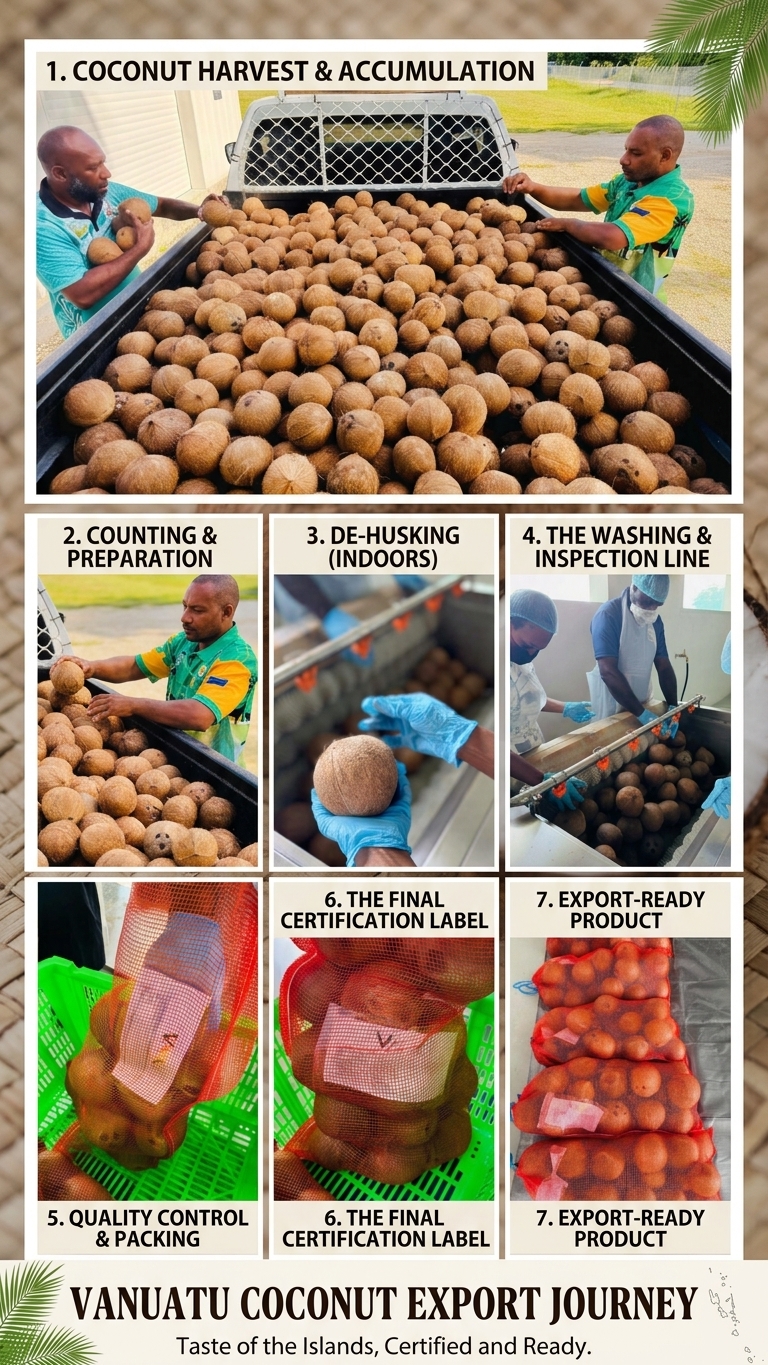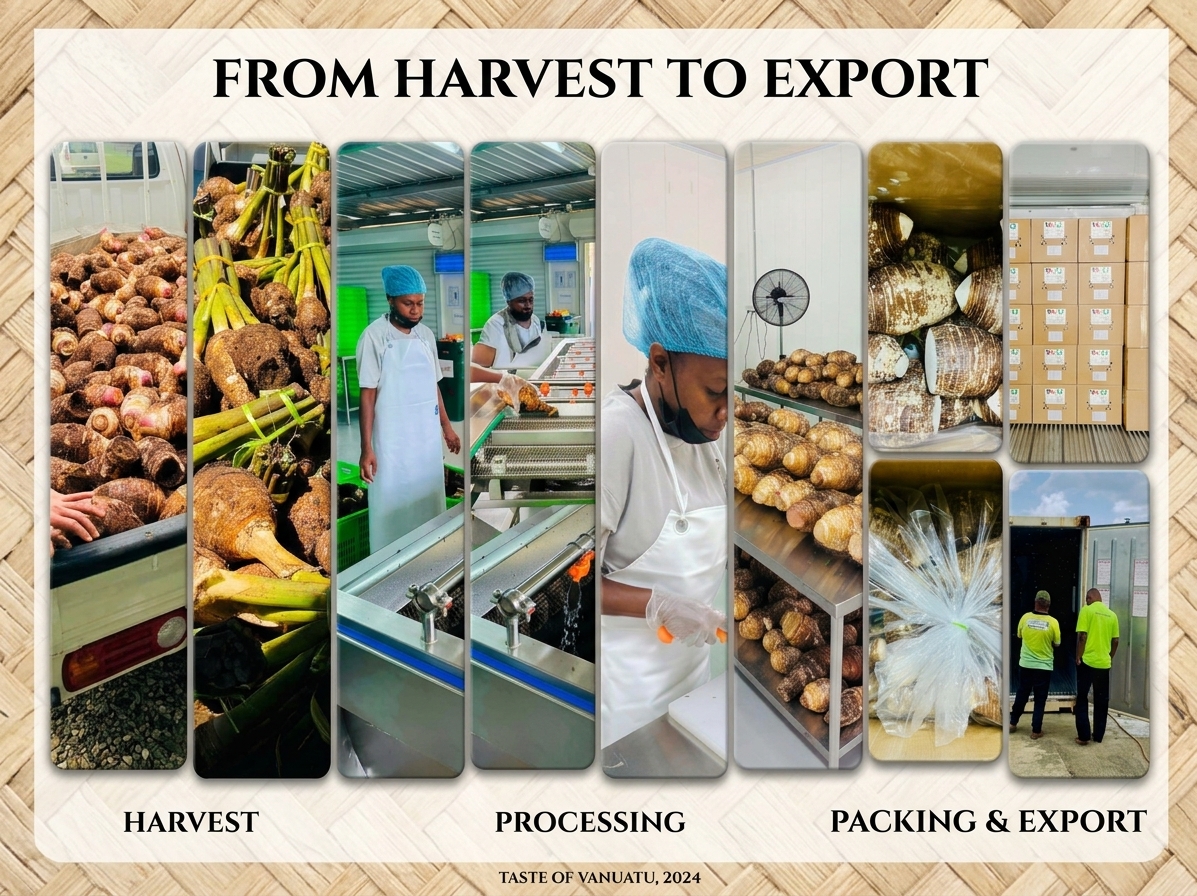
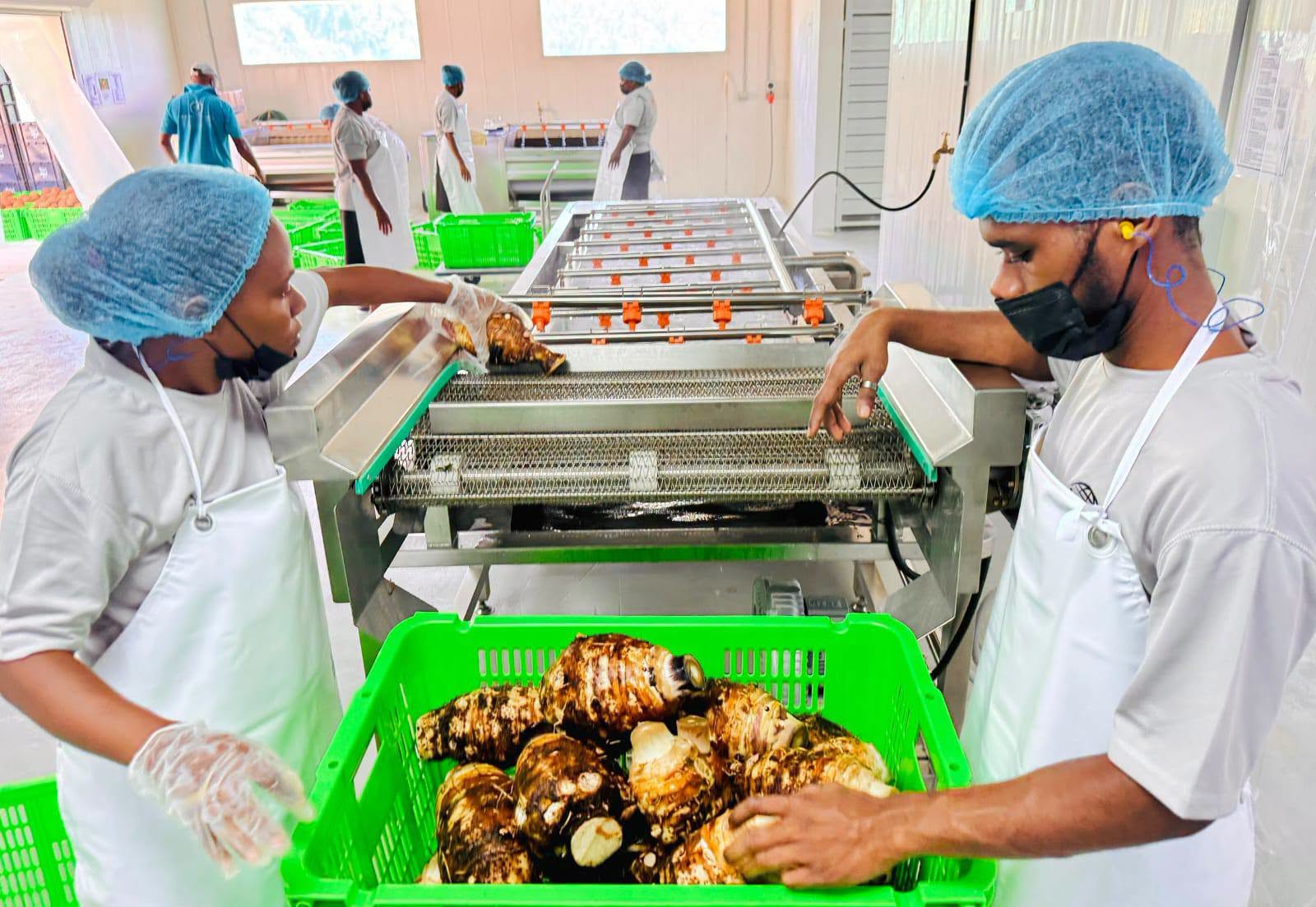
The Santo packhouse has completed its third export shipment, marking further progress in the stabilisation of Vanuatu's National Packhouse Programme and demonstrating that an established local team can now manage the export process through a functioning operational system.
Vanuatu Bureau of Standards Chief Executive Officer, Atanas Pipite, welcomed the achievement on behalf of the committee implementing the programme, which brings together the Directors of Agriculture, Biosecurity, Industry, Cooperatives and External Trade, alongside the CEO of VBS.
Mr Pipite said the committee was very pleased with the progress of stabilisation. The major achievement is the establishment of a complete supply-chain pathway, with defined roles connecting farmers, Agricultural Development Officers, packhouse staff, the exporter and buyers. The third shipment demonstrates that this system is now supporting practical operations.
Under WBT, the programme's approved operating company, the packhouse team is independently managing day-to-day activities, including receiving produce, washing, trimming, grading, packaging and loading containers for export. The work demonstrates the practical value of having trained personnel and dedicated facilities organised around a consistent process.
An important adjustment is to base shipment planning on confirmed production. Farmers' harvest readiness and available supply must first be established, allowing the packhouse to organise receiving and processing before WBT confirms a shipment. This approach is intended to make export commitments more dependable and give farmers clearer delivery arrangements.
The supply-chain framework includes provision for a software system linking farmers with Agricultural Development Officers, or ADOs, in their respective areas and the packhouse. Through this system, ADOs will submit information on the crop, expected quantity, product specifications, location and readiness for harvest. The packhouse will assess that information and return a scheduled delivery date and time.
Once sufficient suitable production has been verified and delivery arrangements coordinated, WBT can confirm the shipment against the available supply and buyer requirements. This gives each participant a clear role and connects production planning directly with packhouse capacity and export scheduling.
For farmers, the programme is also a learning process as they move towards commercial production. Supplying export markets requires substantial, coordinated volumes, consistent quality and good agricultural practices. As farmers become more familiar with market requirements, they can plan planting and harvesting around a dependable supply relationship and improve the consistency of their produce.
Taro is becoming an established product in the programme's market offering. Coconuts are also moving through the packhouse, and work has now begun with manioc, or cassava. This gradual broadening of the product range gives farmers additional opportunities to participate while allowing the operating team to build experience with different crops.
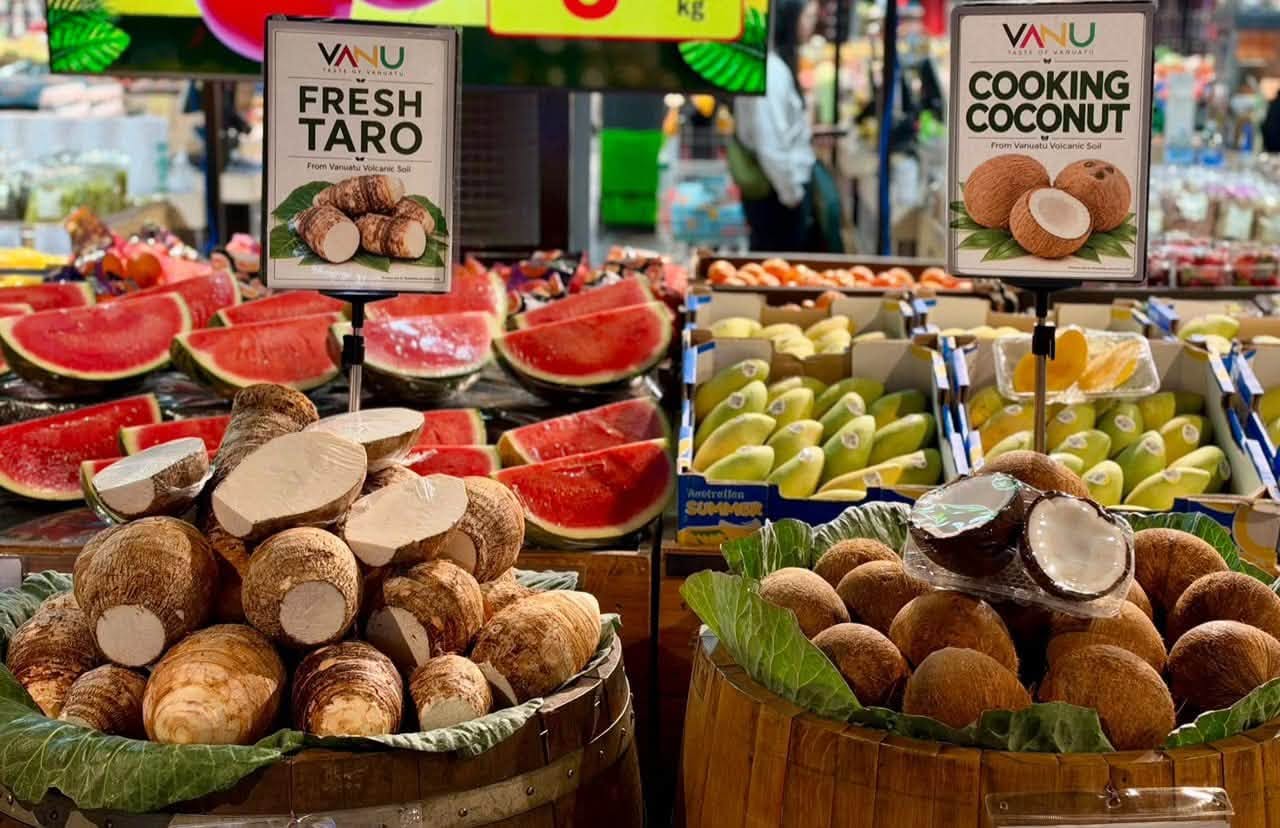
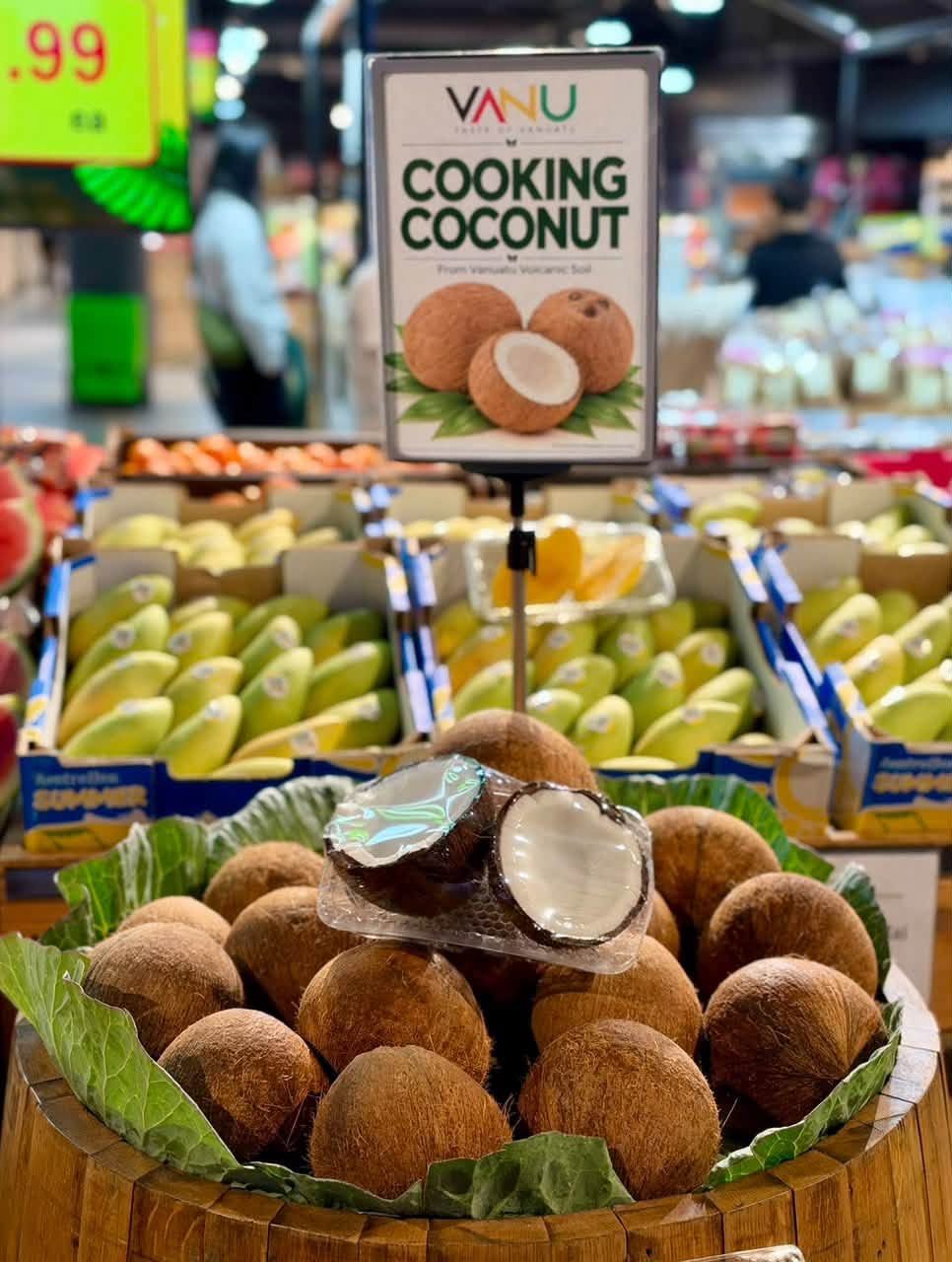
The Australian pathway continues to connect Vanuatu taro with the formal market through MarketPlace Fresh, including supermarket retail channels. Fresh taro and cooking coconuts from the Santo National Packhouse are now available on Melbourne shelves under the VANU – Taste of Vanuatu brand. Ni-Vanuatu in Melbourne are encouraged to visit their nearest Marketplace Fresh store and ask for VANU produce, describing it as ‘a taste of home while supporting Vanuatu farmers.’ This provides an opportunity for a wider customer base to purchase produce from home through established retail outlets.
Mr Pipite said the experience gained through these shipments would help strengthen future operations. Maintaining the quality of produce, dependable farmer supply and effective communication with buyers will remain central to building confidence in Vanuatu's products and sustaining repeat business.
The pathway also incorporates fiscalised invoicing through WBT, connecting the commercial side of the programme with formal sales records and tax reporting. This aligns with the Vanuatu Sales Monitoring System, or VSMS, administered by the Department of Customs and Inland Revenue, which uses accredited electronic fiscal solutions to issue fiscal invoices and report sales data.
Bringing supply information, delivery scheduling, packhouse operations, export arrangements and fiscal invoicing into a coordinated pathway is a significant achievement for the programme. It strengthens the basis for accountability while supporting collaboration between agriculture, trade, standards and revenue authorities.
The next phase will strengthen the links between fresh exports, the domestic fresh market and the planned frozen processing pathway. The aim is to give suitable produce a productive outlet according to its quality and intended use, helping the programme serve both overseas customers and communities within Vanuatu.
A key part of this work is the Farm-to-Institution policy. Alongside exports, the programme is supplying schools, and the CEO is working with the Ministry of Agriculture, including the Director General and Director of Agriculture, to develop a more coordinated and regular supply arrangement.
The proposed arrangement centres on storage at the packhouse and scheduled deliveries to schools, whether weekly or more frequently according to their needs and available capacity. Bringing receiving, grading, storage and distribution into one coordinated system can help schools plan their food purchases while giving farmers a more dependable domestic outlet.
Produce meeting export specifications can continue to overseas markets, while wholesome produce that does not meet those commercial specifications can be directed to suitable domestic uses. The planned frozen pathway would provide another outlet for appropriate produce. Food safety and suitability for consumption remain essential across every pathway.
This work also supports the good health programme through collaboration with Public Health and the government stakeholders represented on the VBS Board. Making nutritious local foods more available to schools is intended to support healthier eating and wider efforts to address obesity and other diet-related health concerns.
Mr Pipite expressed his appreciation to the packhouse staff, farmers, WBT and the participating government agencies for their contribution. He said the committee was encouraged by the progress of stabilisation and would continue working to consolidate the system, expand appropriate market opportunities and connect the benefits of the national programme with households and institutions across Vanuatu.
Export Process Infographics