Vanuatu Strengthen Regional Quality Infrastructure Through PQII
Vanuatu Continues to Strengthen Regional Quality Infrastructure Through PQII
Port Vila, Vanuatu — The Vanuatu Bureau of Standards (VBS) is pleased to share the latest issue of the Pacific Quality Infrastructure Initiative (PQII) Newsletter, covering key regional developments in standards, metrology, and testing from April to June 2026.
As Vanuatu's official focal point for all three PQII regional committees — the Pacific Islands Standards Committee (PISC), the Pacific Islands Testing Committee (PITC), and the Pacific Islands Metrology Committee (PIMC) — VBS continues to represent Vanuatu's interests across each pillar of regional Quality Infrastructure.
🔵 STANDARDS
The 13th Pacific Islands Standards Committee (PISC) meeting was held on 28 May 2026, bringing together focal points from 11 Forum Member Countries to advance regional priorities, including engagement with ISO, IEC, and ASTM.
Buildings and Construction (TC1): Continued work on a regional standard for Energy Efficiency of Buildings, setting minimum requirements for assessing and calculating energy efficiency for any building constructed or renovated in the Pacific region.
Food and Food Products (TC2): Progressed the regional standard for Quick-Frozen Cassava, incorporating over 50 public comments received on the draft — bringing the standard close to completion.
Kava (TC3): A new Technical Committee on Kava was formally established, with its inaugural meeting held in Sydney from 20–22 April 2026, hosted with funding support from Standards Australia. Given kava's importance to Vanuatu's export economy, this work is central to ensuring quality, consistency, and consumer confidence for Pacific kava on international markets.
🟢 METROLOGY
Legal Metrology Training: A two-week attachment training programme for legal metrology inspectors from Tonga and Papua New Guinea was completed in May 2026 at the Trading Standards laboratory in Auckland, focused on the verification of weighing scales and fuel meters.
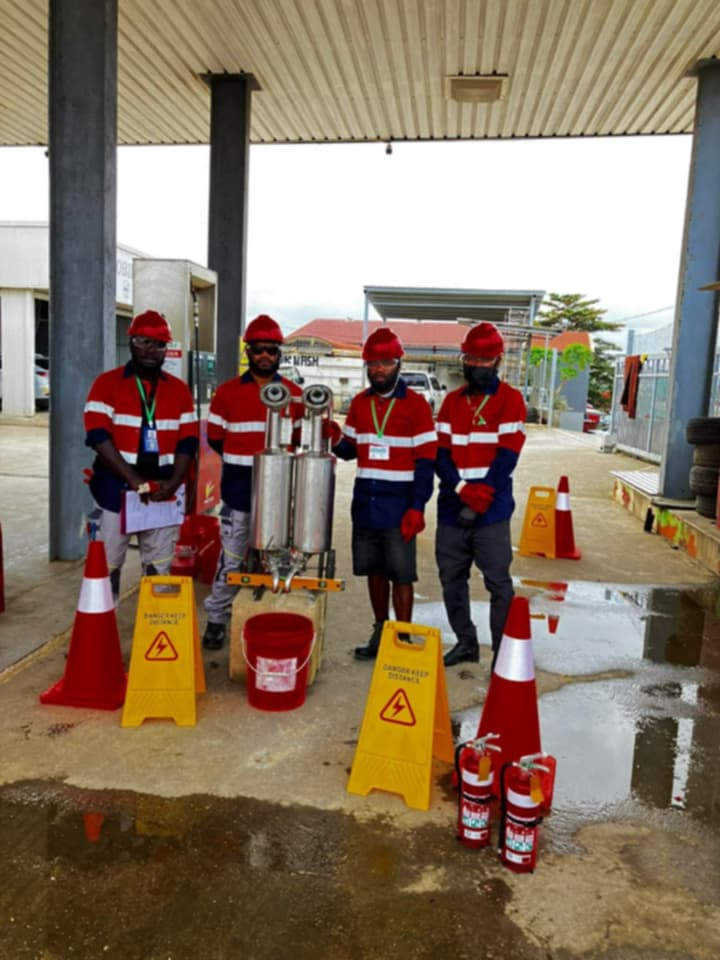
New Equipment in Vanuatu: Vanuatu was among six Pacific nations — alongside Tonga, Papua New Guinea, Solomon Islands, Kiribati, and Samoa — to receive new high-accuracy fuel measurement equipment. The new fuel provers dramatically reduce verification time for fuel dispensers, supporting faster regulatory checks and greater consumer confidence at the pump.
Regional Model Metrology Legislation: A draft Regional Model Metrology Legislation has been developed to modernise outdated measurement laws, aligning with the OIML D1 document, with support from the European Union and UNIDO.
🟠 TESTING
Regional Laboratory Development: A comprehensive laboratory development assistance plan has been prepared, drawing on assessments of laboratories in Fiji, Solomon Islands, Samoa, the Federated States of Micronesia, and Papua New Guinea, in collaboration with UNIDO.
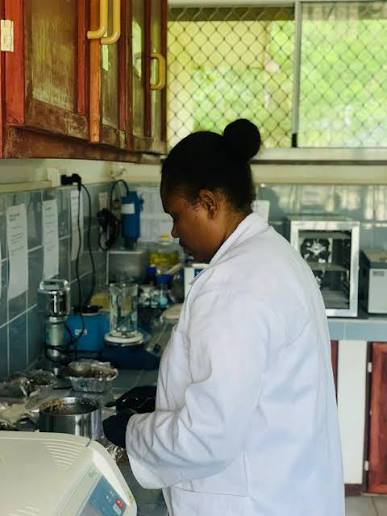
Kava Proficiency Testing: A second Proficiency Testing report on kava has been delivered, designed to enhance laboratory performance and testing reliability, and to support the development of regional kava standards.
Training Resources: Two self-paced virtual training courses on laboratory management have been developed for inclusion on the forthcoming Pacific Quality Infrastructure Portal, providing accessible capacity-building for laboratory professionals across the region.
Vanuatu's Continued Engagement
VBS remains committed to ensuring Vanuatu's voice is heard as the Pacific region moves into Phase 3 (2026–2030) of the PQII programme, playing a vital role in advancing conformity assessment and quality infrastructure initiatives for Vanuatu.
Read the full PQII Newsletter Issue No. 1/2026–27 here.
For more information on VBS's role in the Pacific Quality Infrastructure Initiative, contact the Standards and Certification Section, Vanuatu Bureau of Standards, Ministry of Trade and Commerce.
Sample Delivery
Sample Delivery Process
- Upon delivery of sample, make sure that your sample packaging is labelled correctly with the correct:
- Client Name
- Sample Name / Code (will appear on the Certificate of Analysis)
- Date of Delivery
- Sample must be well packaged/covered to avoid cross contamination.
- Make sure to complete an Analysis Request Form (ARF) in the sample dropbox (ask for assistance if you need one).
- Completing an ARF:
- Please note that one ARF per sample.
- Complete the top part with your (client) information. Provide a phone number and email address so that we can send you updates on the analysis of your sample and invoice.
- Complete the following boxes:
- Tick the type of service you require: Testing (if you want your sample tested), Sampling (if you want your samples collected at your premises).
- Method of Delivery: (By Hand, By Air, By Boat, etc.)
- Sample Type: (Powdered, Grains, Liquid, etc.)
- Client Sample Code: (Name of Sample as you want it to appear on the result)
- Sample Urgency Detail: Tick a box to confirm urgency details of sample to be analyzed, whether it is urgent or normal turnaround time. If urgent, complete next box with turnaround date and time.
- Test Method(s) requested: Name of test(s) that will be used to analyze your sample. List of test methods and prices available upon request.
- The rest of the boxes on the ARF will be completed and signed off by a VBSLS staff ONLY.
- The completed ARF will then be taken to the Lab along with your sample for analysis.
NOTE: We will inform you once your sample has been analyzed and an invoice will be sent to you. The Certificate of Analysis (CoA) / Test Result will be made available to you only once payment is sorted.
Thank you,
Services
Laboratory Services
1. Laboratory Testing
VBS Laboratory provides laboratory services to local farmers for both local consumers and export purposes in terms of testing.
Testing is the process in which samples are analyzed in a controlled environment using scientific methods with specialized equipment to assess food safety, quality, and composition according to industry standards and health regulations.
Why Laboratory Testing?
- To ensure food safety
- Verify nutritional content
- Prevent contamination
- Support product development
Common Types of Testing in the Laboratory
- Chemical testing
- Microbiological testing
- Nutritional analysis
- Shelf-life testing
- Food science testing
Food testing helps protect people’s health, build consumer trust, and ensure that product quality is consistent.
2. Product Development
Product development is the process of creating a new product or improving an existing one to suit or meet customer needs, export standards, or local market demands. VBS assists in testing products and provides information on how to develop them.
3. Metrology
VBS Laboratory also provides metrology services such as calibration of instruments to ensure that the instruments are accurate and provide reliable measurements.
4. Inspection
VBS Laboratory plays an important role through inspections in warehouses, as well as in conformity assessments and product testing.
National Partners
- Ministry of Trades & Commerce — Trade policy & oversight
- Vanuatu National Statistics Office — National data & statistics
- Reserve Bank of Vanuatu — Monetary & financial authority
- Ministry of Finance & Economic Management — Fiscal policy
- Vanuatu Chamber of Commerce & Industry — Private sector representation
- Vanuatu Public Service Commission — Public service oversight
- Customs & Inland Revenue — Import/export clearance
Trade, Quality & Infrastructure
- Aid for Trade — Trade development support
- Pacific Accreditation Cooperation — Regional accreditation
- SPC — Quality Standards — Pacific Community standards
- Pacific Islands Trade & Invest — Export promotion
- Melanesian Spearhead Group — Regional cooperation
- Vanuatu Intellectual Property Office — IP protection
- World Intellectual Property Organization — Global IP standards
Sectors & Production
- Department of Tourism — Brand & destination
- Department of Industry — Industry coordination
- Vanuatu Agriculture College — Agricultural training
- Vanuatu Skills Partnership — Skills & TVET
National Packhouse Programme
- VBS — Vanuatu Bureau of Standards — Lab testing · packhouse standards
- Biosecurity Vanuatu — Phytosanitary certification
- DARD — Department of Agriculture — Farm extension & standards
- WBT — World Best Trading — Commercial & logistics
- Quality Solutions Pacific — HACCP · traceability · audit
- Market Place Fresh — Packhouse & cold chain
- Dincel Construction System — Packhouse construction
- Tulaet Projects — Construction partner